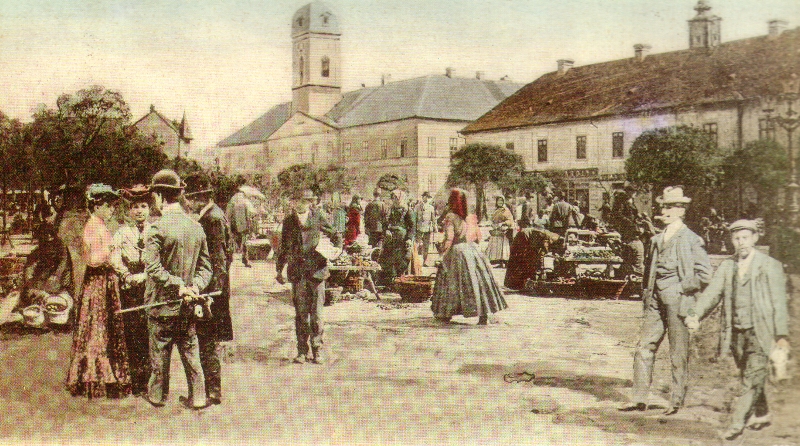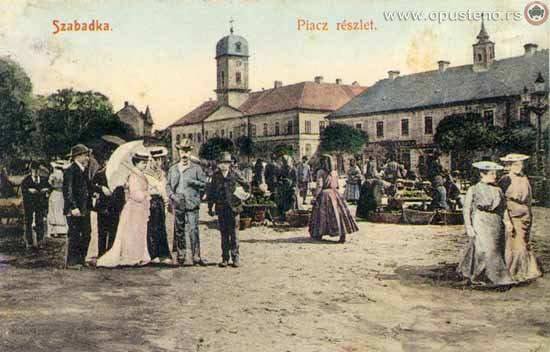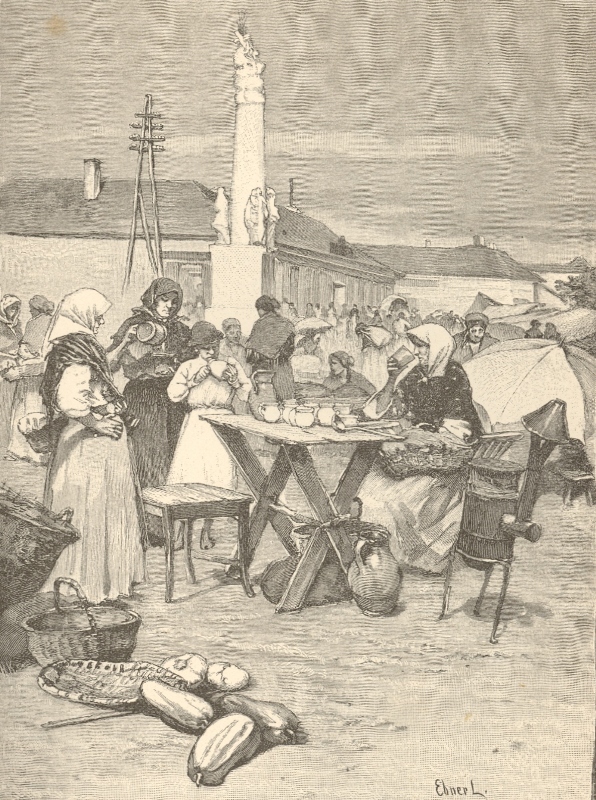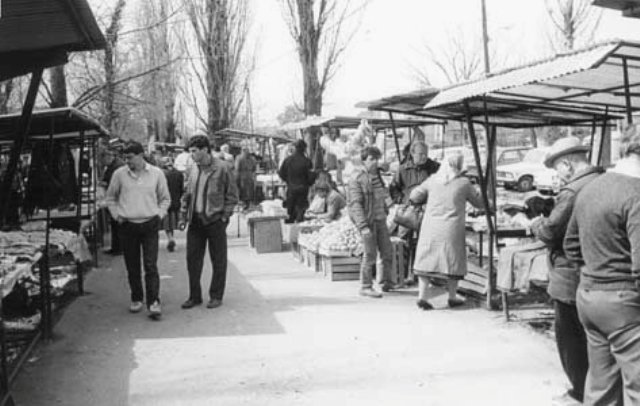
The first mentioning of Subotica in written documents dates from May 7th 1391; however the settlement has surely been older. It has been established that people inhabited these territories even 3000 years ago. The fate of Subotica was clearly defined by its position between Europe and Asia, whilst, historically, it was between two opposing forces – the Austro-Hungarian and Ottoman Empires. Frequent migrations resulted in a diverse population on this military borderland, such as: Serbs, Hungarians , Germans, Slovaks, Jews, Bunjevci and Greeks… Both the rulers and the names of the city changed quite often. Since its first name: Zabatka given in 1391, the city has changed more than 200 names, however the most peculiar ones are Szent – Maria, Maria-Theresiopolis, Maria Theresienstadt, Szabadka and Subotica.
Despite its location along crossroads, Subotica has always been a place of turbulent historical events. Hence, Pongrác János from Dengelega, the Duke of Transylvania, built a fortress here in 1470, though it failed to withstand the impact of the people and time. The remained parts of this fortress can be seen on the inside wall of the Franciscan Church tower.
-
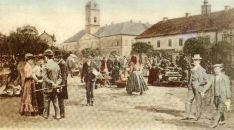
history_1
-
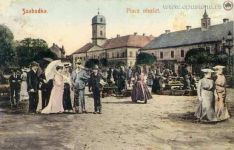
history_2
-

history_3
-
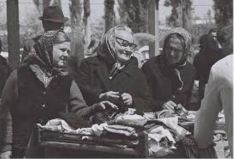
history_4
-

history_5